

What to Eat on Wegovy or Mounjaro: A New Zealand Dietitian’s Guide
Weight-loss medications such as Wegovy and Mounjaro are changing obesity treatment in New Zealand. They are also changing the work I do as a dietitian.
In July 2026, I spoke with TVNZ 1 News on behalf of Dietitians New Zealand, reflecting on the first year since Wegovy became available in New Zealand.
As I told 1 News:
“As a dietitian, my practice has completely changed.”
Historically, weight-management appointments often focused on helping someone reduce their food intake. I am now increasingly asking a very different question:
How do we make sure someone with a dramatically reduced appetite still eats enough of the right foods to protect their nutrition, muscle mass and long-term health?
My central message is: The less you eat, the more important it is what you eat.
[Read the TVNZ 1 News article: Weightloss on Afterpay: The cost of one woman’s Wegovy journey.]
The quick answer: what should you eat on Wegovy or Mounjaro?
There is no single “Wegovy diet” or “Mounjaro diet”.
A suitable eating plan should help you:
- Eat enough protein to protect muscle
- Maintain a nutritionally adequate food intake
- Obtain enough fibre, vitamins and minerals
- Protect bone health
- Stay well hydrated
- Manage nausea, constipation, reflux and early fullness
- Develop habits you can sustain over the longer term
The solution is not simply to eat as little as possible.
The goal is to use the reduction in appetite to support better health, while avoiding preventable under-fuelling, muscle loss and nutritional deficiencies.
What is the difference between Wegovy and Mounjaro?
Wegovy contains semaglutide and acts on the GLP-1 receptor.
Mounjaro contains tirzepatide and acts on both the GIP and GLP-1 receptors. It is now indicated in New Zealand for chronic weight management, as well as for the treatment of type 2 diabetes in appropriate adults.
Both medicines can reduce appetite, increase fullness and substantially reduce food intake. Although their mechanisms are not identical, the practical nutrition questions are often similar:
- Am I eating enough protein?
- Is my overall diet nutritionally adequate?
- Am I maintaining my strength and muscle?
- Are gastrointestinal symptoms limiting what I can eat?
- Do I have a long-term nutrition and activity plan?
Your prescriber should advise which medication is clinically appropriate for you. Nutrition support should then be tailored to your medical history, medication, symptoms and individual requirements.
One year on: what concerns me most?
Wegovy and Mounjaro can be very effective clinical tools. For some people, they provide relief from persistent hunger and “food noise” that has made weight management extremely difficult for years.
They are not cheating, and people should not be shamed for using evidence-based treatment for a chronic health condition.
However, reducing appetite does not automatically improve diet quality.
Someone may eat much less without necessarily eating more protein, vegetables, wholegrains or calcium-rich foods. A smaller diet can simply become a smaller version of the same diet.
That matters because medication changes appetite, but it does not change the body’s need for:
- Protein
- Essential fats
- Fibre
- Vitamins and minerals
- Fluids
- Movement and resistance exercise
- Sleep and behavioural support
Dietitians New Zealand raised these concerns when Wegovy became available in 2025. Its position remains that GLP-1 medicines can be useful clinical tools, but they are not a magic fix. Reduced intake without appropriate dietary oversight may increase the risks of inadequate nutrition, nutrient deficiencies, muscle loss, reduced bone density and gastrointestinal problems.
The prescription is only one part of treatment
The major clinical trials of weight-loss medicines did not simply give participants a prescription and send them away.
Medication was generally provided within a structured treatment programme that included dietary advice, physical activity recommendations, monitoring and regular contact.
That support is often much less comprehensive in everyday practice. A person may receive a prescription and medication review without anyone assessing:
- How much protein they are eating
- Whether their intake is nutritionally complete
- Whether they are losing strength or muscle
- Whether constipation or nausea is affecting their food intake
- Whether they need blood tests or supplements
- How they will manage social eating, emotional eating or weight maintenance
- What the long-term treatment plan is
A prescription can reduce appetite. It cannot independently create a nutritionally adequate diet, preserve muscle or develop sustainable habits.
More than one in five GLP-1 users may develop a diagnosed nutritional deficiency
A large observational study published in 2025 found that more than 20% of adults had a nutritional deficiency diagnosed within one year of starting GLP-1 receptor agonist treatment.
This does not prove that the medicine directly caused every deficiency. People beginning treatment may already have low-quality diets, existing deficiencies or medical conditions that affect nutrition.
However, it reinforces the need to assess nutrition rather than assuming that weight loss automatically means someone is becoming healthier.
In practice, the earliest concerns are often not exotic deficiencies. They are basic but important problems such as:
- Not eating enough protein
- Very low overall food intake
- Insufficient calcium and vitamin D
- Low fibre intake
- Poor hydration
- Skipping meals because there is no appetite
- Relying heavily on snack foods because proper meals feel too difficult
- Losing strength or muscle along with body fat
These issues are usually preventable when they are identified early.
Protein needs to become a priority
When appetite is low, protein can easily fall away.
Someone may have coffee for breakfast, a few crackers at lunch and a small amount of dinner. They may be pleased that they are eating less, but the intake may not be enough to protect muscle or meet basic nutritional needs.
Protein is important because it helps support:
- Muscle mass and strength
- Recovery from exercise
- Bone health
- Immune function
- Fullness and meal satisfaction
- Long-term physical function
There is no single protein target that suits everyone. Requirements vary with body size, age, health, activity, kidney function and the rate of weight loss.
Rather than relying on a generic target from social media, start by including a meaningful protein source at each main meal.
Practical options include:
- Eggs
- Greek or high-protein yoghurt
- Cottage cheese
- Milk or a high-protein milk
- Chicken, fish or lean meat
- Tofu, tempeh or edamame
- Beans, chickpeas and lentils
- An appropriate protein drink when food alone is insufficient
When you become full quickly, eat the protein-containing part of the meal first.
Resistance exercise matters as much as protein
Protein alone cannot fully protect muscle.
Muscle needs to be used. Resistance exercise provides a signal to the body to retain and strengthen it during weight loss.
This may include:
- Gym-based weight training
- Resistance bands
- Body-weight exercises
- Supervised strength programmes
- Modified resistance exercises for people with pain or limited mobility
Walking remains excellent for cardiovascular health and general activity, but it does not provide the same muscle-building stimulus as progressive resistance exercise.
A joint clinical advisory published in 2025 identified sufficient protein and structured strength training as key nutritional and lifestyle priorities during GLP-1 treatment.
Fibre and hydration can become difficult
Constipation is common with Wegovy and Mounjaro.
People may eat less fibre because their overall portions are smaller. They may also drink less because they no longer feel as hungry or because fluids make them feel overly full.
Helpful fibre-containing foods may include:
- Fruit
- Vegetables
- Oats
- Wholegrain bread
- High-fibre cereals
- Beans, lentils and chickpeas
- Chia seeds
- Ground linseeds
- Nuts and seeds
Increase fibre gradually and make sure you are drinking adequately. Adding a large amount of supplemental fibre without enough fluid can make constipation worse.
Vomiting and diarrhoea can also cause dehydration and, in severe cases, affect kidney function. Seek advice promptly if you cannot maintain your fluid intake.
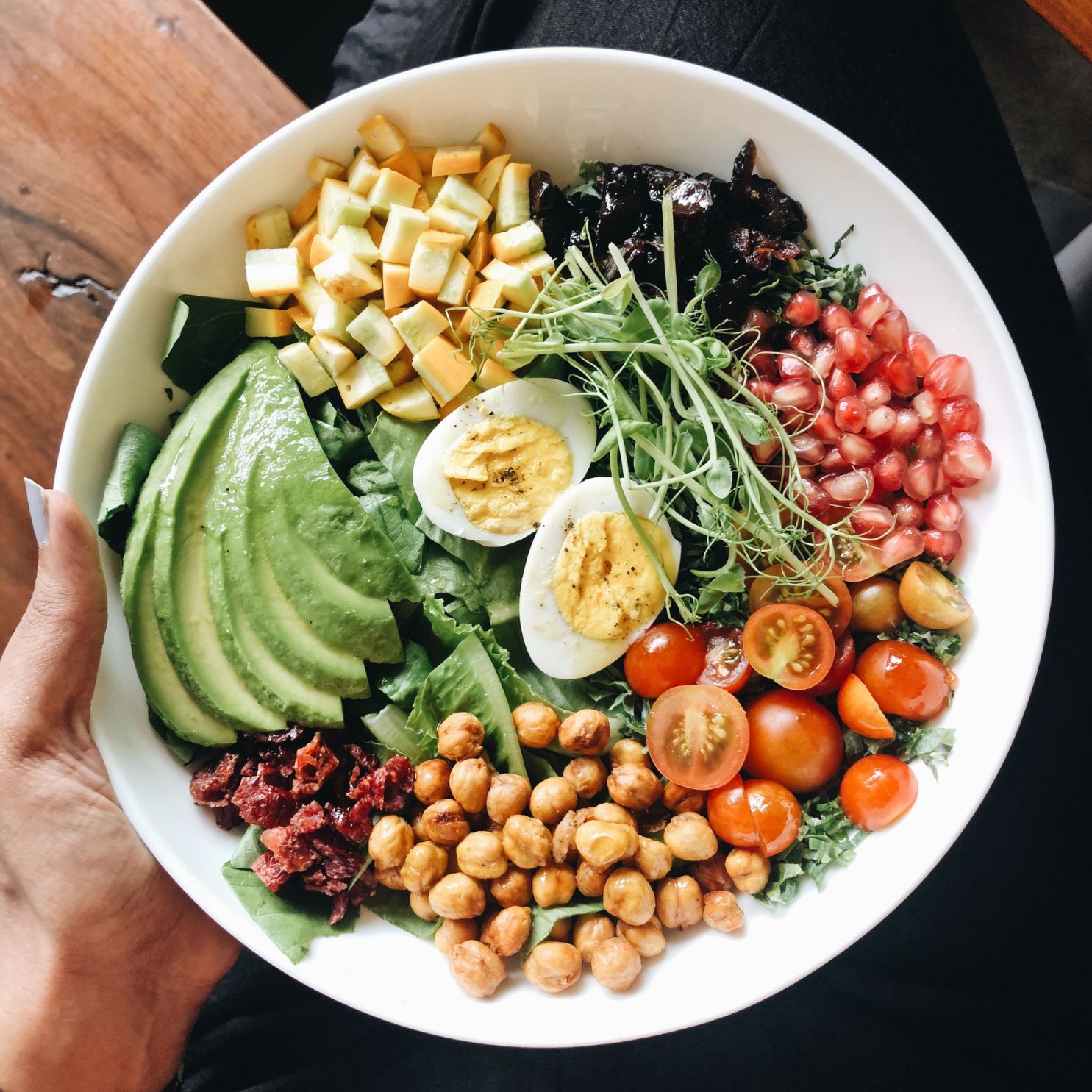
What should a meal look like on Wegovy or Mounjaro?
You may not tolerate your previous portion size. That is expected.
Instead of forcing a large meal, make a smaller meal nutritionally useful.
A simple structure is:
- Include protein.
- Add vegetables or fruit.
- Include a fibre-containing carbohydrate where tolerated.
- Add a small amount of healthy fat.
Examples include:
Breakfast
- Greek yoghurt, berries, chia seeds and oats
- Eggs with wholegrain toast and tomato
- Cottage cheese with fruit and high-fibre cereal
- A smoothie made with milk, yoghurt and fruit, with additional protein when required
Lunch
- Chicken and salad in a wholegrain wrap
- Tuna with wholegrain crackers and vegetables
- Egg and avocado on toast
- Lentil soup with added chicken, tofu or cheese
Dinner
- Fish, kūmara and vegetables
- Chicken with quinoa and salad
- Lean meat with vegetables and a small serving of rice
- Tofu and vegetable stir-fry
- Bean chilli topped with Greek yoghurt
There is no requirement to eat perfectly. The aim is to get more nutritional value from the amount you can comfortably eat.
What if I have almost no appetite?
A very low appetite is not necessarily evidence that the medication is “working better”.
If you are consistently unable to meet basic nutritional or fluid needs, your dose, rate of dose escalation or symptom management may need review.
Practical strategies may include:
- Eating smaller amounts more frequently
- Planning meals rather than waiting to feel hungry
- Using easy-to-eat protein foods
- Eating before you become tired or nauseated
- Choosing cold foods if cooking smells worsen nausea
- Separating drinks from meals if fluids increase fullness
- Using a nutritionally appropriate supplement drink temporarily when required
Do not increase your medication dose automatically if you are still struggling with significant gastrointestinal symptoms. Discuss this with your prescriber.
Do I need supplements on Wegovy or Mounjaro?
Not everyone needs the same supplements, and taking a multivitamin does not automatically make an inadequate diet complete.
The need for supplementation depends on factors such as:
- Your usual food intake
- Existing deficiencies
- Blood-test results
- Medical conditions
- Age and life stage
- Menstrual blood loss
- Previous bariatric surgery
- Other medications
Depending on the individual, nutrients requiring particular attention may include:
- Vitamin D
- Calcium
- Iron
- Vitamin B12
- Folate
People who have had bariatric surgery require specific lifelong supplementation and monitoring. A standard supermarket multivitamin is not generally an adequate substitute for a bariatric supplement programme.
Weight loss should not be the only outcome measured
The number on the scales is only one measure of progress.
A good treatment plan should also consider:
- Strength and physical function
- Muscle preservation
- Energy levels
- Diet quality
- Blood glucose and cardiovascular risk
- Sleep
- Gastrointestinal symptoms
- Emotional wellbeing
- Quality of life
- Whether eating patterns are sustainable
Rapid weight loss accompanied by exhaustion, weakness, poor intake or loss of physical function is not an optimal outcome.
The aim should be to lose weight while becoming healthier and stronger, not simply lighter.
Wegovy and Mounjaro are not magic wands, but they are not failures either
The conversation around weight-loss medication can become unnecessarily polarised.
These medicines are neither effortless miracle cures nor evidence of personal failure.
They are clinical tools for managing a complex chronic condition. Like other treatments, their benefits and risks depend partly on how they are prescribed, monitored and supported.
For many people, medication creates the first realistic opportunity they have had to make sustainable changes without overwhelming hunger.
That opportunity should be supported with good nutrition, appropriate movement, medical monitoring and compassionate long-term care.
Frequently asked questions
What is the best diet for Wegovy or Mounjaro?
There is no single best diet. Focus on a balanced, protein-containing eating pattern that supplies enough fibre, fluids, vitamins and minerals within the smaller amount you can comfortably eat.
How much protein should I eat?
Your needs depend on your body size, age, health, activity level and weight-loss rate. A registered dietitian can calculate an individual target. As a practical starting point, include a protein source at every meal and eat it first if you fill up quickly.
Can Wegovy or Mounjaro cause muscle loss?
Some lean tissue can be lost during any substantial weight loss. Adequate protein, resistance exercise and avoiding excessive under-eating can help minimise this.
Are Wegovy and Mounjaro the same?
No. Wegovy contains semaglutide and acts on the GLP-1 receptor. Mounjaro contains tirzepatide and acts on both GIP and GLP-1 receptors. Both reduce appetite, but they are different medicines and require individual medical assessment.
What foods should I avoid?
There is no universal banned-food list. Large, greasy or very rich meals may worsen nausea, reflux or fullness for some people. Individual tolerance varies.
Should I see a dietitian before starting?
Ideally, nutrition support begins before or soon after treatment starts. This provides an opportunity to assess your existing intake, establish protein and fluid goals, identify deficiencies and plan for side effects before problems develop.
The bottom line
One year after Wegovy arrived in New Zealand, my view is not that these medicines should be feared or dismissed.
They can be powerful and valuable treatments.
But the medication is only one part of care.
Wegovy and Mounjaro change appetite. They do not change the body’s need for protein, fibre, vitamins, minerals, hydration, movement and long-term support.
The less you eat, the more important it is what you eat.
Online Wegovy and Mounjaro nutrition support throughout New Zealand
I am Kylie Russell, a New Zealand Registered Dietitian and Dietitian Prescriber with approximately 17 years of clinical dietetic experience.
My work includes weight management, GLP-1 nutrition, bariatric surgery and complex gastrointestinal and pancreatic nutrition. I provide online consultations throughout New Zealand for people who are:
- Considering Wegovy, Mounjaro or another weight-loss medication
- Preparing to begin treatment
- Struggling to meet their protein requirements
- Experiencing nausea, reflux, constipation or poor appetite
- Concerned about muscle loss or nutritional deficiencies
- Seeking a sustainable eating plan rather than another restrictive diet
Book an online weight loss support package with Kylie Russell Dietitian here.
About Kylie Russell
Kylie Russell is a New Zealand Registered Dietitian and Dietitian Prescriber with approximately 17 years of clinical experience. She has expertise in weight management, GLP-1 nutrition, bariatric surgery and complex gastrointestinal and pancreatic conditions.
In July 2026, Kylie spoke with TVNZ 1 News on behalf of Dietitians New Zealand about the nutritional implications of Wegovy one year after its introduction in New Zealand.
Medical disclaimer: This article provides general education and does not replace personalised medical or dietetic advice. Speak with your prescriber before changing your medication or dose.


.svg)
.svg)
.svg)